
Pokies win animations explained for Australian players who want to know what they are actually seeing
When a spin lands and the screen erupts, most players just enjoy the moment. As someone who has spent years checking release readiness and reliability for operators, I can tell you the animation is a presentation layer sitting on top of a certified random result. The reels you see and the payout you receive are not the same thing, and understanding that split is the only way to read a win honestly. If you have ever wondered why a big payout sometimes plays out in slow motion while a smaller one flashes past, the answer lives in how the game builds its visual feedback after the maths has already decided the outcome. thepokies.net bonus codes
What the animation actually represents
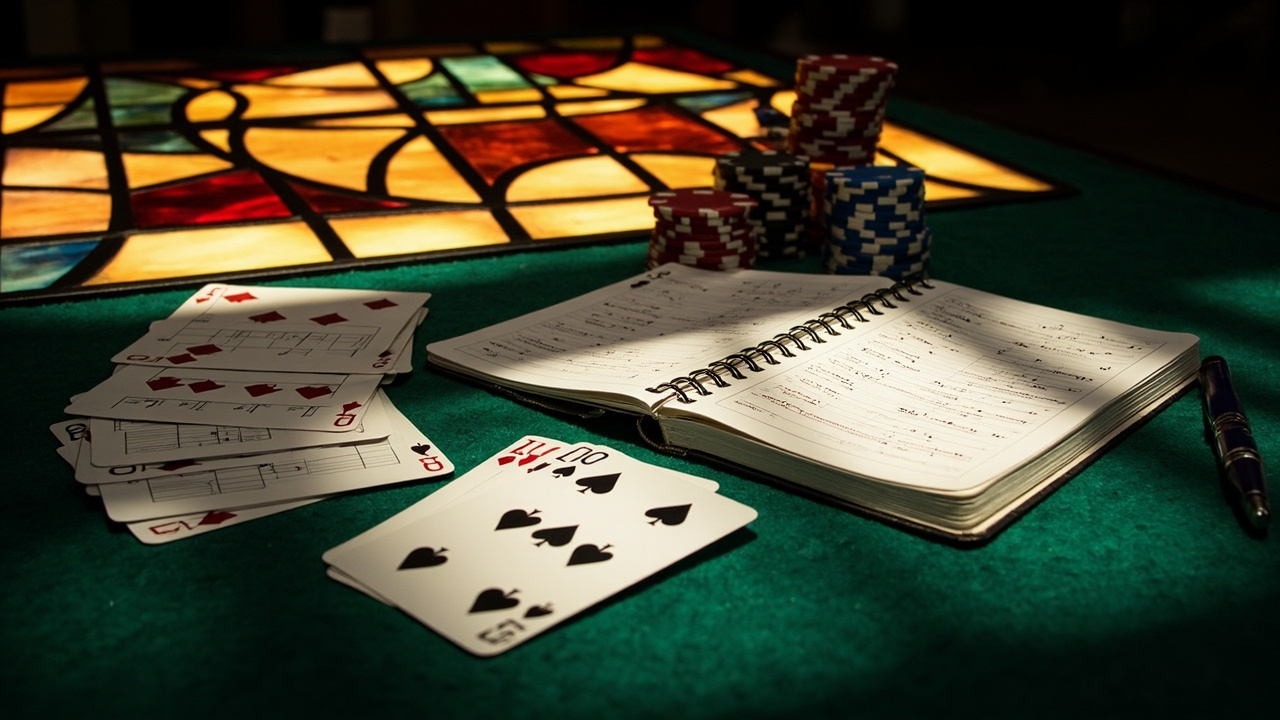
Every pokies win animation is a post-result sequence. The random number generator resolves the position first, then the game layers symbols, lighting, and sound on top to communicate that result to you. From a QA perspective, that separation matters because the animation can run in a different loop than the payout calculation, and a well-built game keeps those two threads locked together so the screen never promises more than the maths delivers. In my testing work, I have seen builds where the visual celebration fires before the win flag is confirmed, which is exactly the kind of timing mismatch that gets flagged before release. A solid operator treats that as a reliability issue, not a cosmetic one, because players notice when the spectacle and the settlement do not line up. If you want to see how providers vary that presentation layer across different game styles, the differences are easier to spot once you stop treating the animation as the result itself.
Why the same win can look different on each machine
Two machines can pay the same amount and still feel completely different because the animation budget is a design choice, not a payout rule. One title might stretch a win into a multi-step sequence with expanding symbols and a longer hold, while another keeps it tight and moves on quickly. I have reviewed builds where the heavier animation path added noticeable frame-time on older devices, which is the sort of detail that only shows up when you test on the lower-end phones real players actually use. That is why a game can feel smooth in a demo and stumble in a busy session on a warm afternoon in Cairns, where a crowded café WiFi and an older handset are not unusual. The animation does not change the return, but it can change how the session feels, and that is worth judging on its own terms rather than assuming a longer sequence means a better game.
How to read a win without getting misled by the spectacle
A useful way to watch a pokies win animation is to separate three things: the result, the presentation, and the settlement. The result is already fixed when the reels stop. The presentation is the light, motion, and sound designed to make that result readable. The settlement is the credits or balance update that follows, and that is the part that actually matters to your session. I have seen operators QA teams treat a delayed balance update as a higher-priority defect than a flashy but harmless visual bug, because the first one affects trust and the second one usually does not. If you are playing on a site that runs a clear bonus structure, the same discipline applies: the animation is not a sign that a bonus is more generous, and the wagering terms, eligibility, and contribution rates are what shape the real value. A responsible operator keeps those terms visible and consistent, because in this market the responsible gambling messaging is a legal requirement on gambling ads, not an optional footer. Animal-Themed Slots Online for Australian Players
Where the animation matters for reliability and trust
The animation becomes important to operator confidence when it is tied to timing, accessibility, and consistency across devices. A win sequence that stalls, repeats, or desynchronises from the balance update is a release-readiness problem, and those are the issues I look for when I am judging whether a game is ready to go live. The same mindset applies to the rest of the platform: payments need to settle the way the screen implies, registration needs to be stable under load, and support needs to be reachable when a player has a genuine query about a session. Mobile delivery is where this gets tested most honestly, because a polished desktop build can still misbehave on a phone with a weaker connection. If you are comparing animal-themed slots online for Australian players, for example, the animation style is only one part of the picture; the underlying reliability, the payment flow, and the clarity of the terms are what separate a game you can trust from one that only looks polished for a few minutes. I have also seen table-game comparisons where craps “come” and “don’t come” bets mirror the pass line after the come-out, which is a useful reminder that presentation rules and settlement rules are often separate even in live-style games. A good test plan catches both.

- Random result – the outcome decided by the game before any animation plays.
- Presentation layer – the visual and audio sequence that communicates the result.
- Settlement – the balance or credit update that follows a confirmed win.
- Frame-time – the time each visual frame takes to render, which affects smoothness on weaker devices.
A final thought from the QA side: the best win animation is the one you barely notice because it simply confirms what already happened. That is the standard I use when I am deciding whether a build is ready, and it is the same standard worth applying when you are choosing where to play. If the spectacle is impressive but the timing, terms, and settlement are unclear, the animation is doing too much of the work. Play the game, not the screen, and keep your session within what you can afford to lose.